
Imagine being in charge of a powerful country, where your whole family’s future, your legacy, and the stability of your nation depended on one incredibly difficult thing: having a son. Now, picture that pressure growing more intense every single year, as time slips away and you only have daughters. That’s the nail-biting, constant worry that consumed King Henry VIII. What started as a smart plan for an heir turned into a burning obsession that eventually tore England apart.
The main reason Henry was so desperate for a son comes down to how shaky his family’s grip on the English throne actually was. His father, Henry VII, had only just grabbed the crown in 1485, putting an end to decades of brutal civil war known as the Wars of the Roses. The Tudors, in many ways, were like a brand-new company trying to make it big in the cutthroat world of European kings and queens. Without a clear male heir, their whole venture could easily fall apart, throwing England right back into chaos.
What Made Being a Tudor King So Risky?
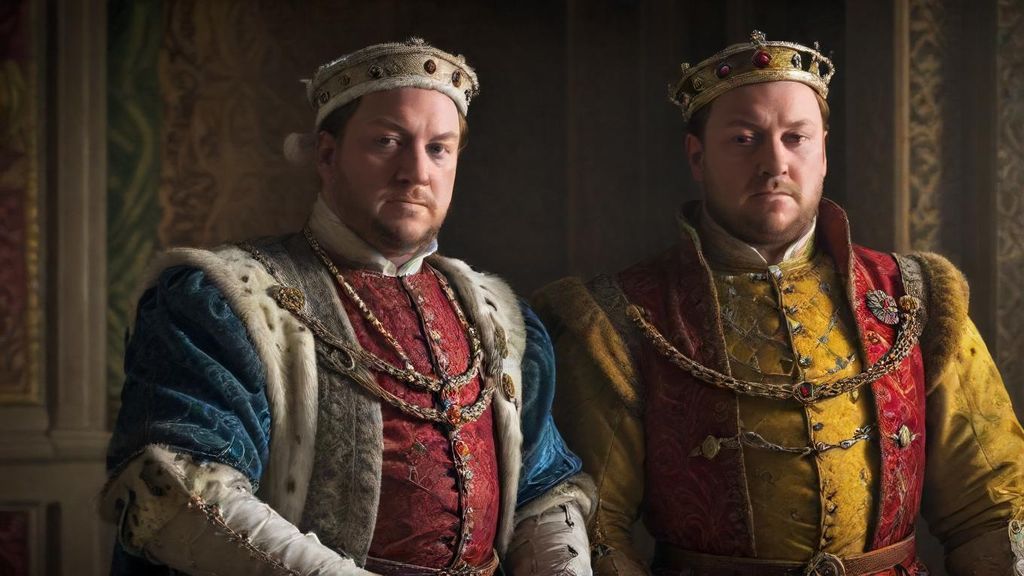
Think of it like this: the Tudors were a new product trying to build trust after years of market uncertainty. People still remembered the Lancasters and Yorks fighting for generations. A female ruler, especially without strong male support, was seen as a huge gamble. She might face challenges from other families who claimed the throne. Her husband, if he was a foreigner, might try to take control. Or her time on the throne could just be seen as weak. The traditional thinking was very clear: a son was like a nation’s insurance policy. He promised a smooth handover of power and continued strength. A daughter, while loved, was seen as a potential problem.
This huge pressure for a male heir was already intense when young Henry VIII married his first wife, Catherine of Aragon, in 1509. Catherine was no stranger to royal life; she was the daughter of Spain’s incredibly powerful rulers, Ferdinand and Isabella. She had even been briefly married to Henry’s older brother, Arthur, before Arthur sadly died. This earlier marriage, though quickly canceled, would later become a convenient argument for Henry. But at first, it seemed like a strong, traditional pairing.
Here’s what unfolded: For many years, Henry and Catherine tried to have a son. Catherine had several pregnancies, but they were filled with heartbreak—miscarriages, stillbirths, and babies who didn’t live long. Records show Catherine was pregnant at least six times, but only one child survived past infancy: a daughter, Mary, born in 1516. Imagine the hope each time, only for it to be shattered again and again.
Historical records clearly show just how much a son was wanted. For example, after a son was born in 1511, who sadly died a few weeks later, the celebrations were enormous. According to historian Garrett Mattingly:
“The birth of a healthy prince was an event of such overwhelming importance as to blot out for a time all other public concerns.”
This perfectly illustrates the public’s high expectations and Henry’s deep personal longing.
These repeated failures slowly chipped away at Henry’s confidence and fueled his growing fear. What began as a practical need for an heir slowly turned into a personal, almost religious, obsession. He started to wonder if God was punishing him for marrying his brother’s widow, even though the Pope had given special permission. This growing worry wasn’t just about his pride. It was about making sure the Tudor family survived and, in his mind, protecting England from returning to civil war. He truly believed that if he didn’t secure a male heir, everything his father had fought for, and everything he himself stood for, would crumble.
The facts show that this was not just a king’s passing fancy. It was a deeply held belief, driven by genuine worries about his family’s rule and profound personal sadness. His inability to have a surviving son with Catherine of Aragon created a rapidly worsening crisis. This crisis ultimately forced his hand and set the stage for some truly huge changes in England, unlike anything the nation had ever seen. And this, as we’ll soon discover, led him down a path of desperate actions that would forever change English history.
When you think of King Henry VIII, you might picture him as a powerful, even tyrannical, ruler who simply decided to get a new wife and pulled England away from the Catholic Church. But the real story is much more complex and, honestly, quite desperate. What if the usual tale you’ve heard about Henry’s break with Rome misses the true, burning desire that pushed him to do it?
The main reason King Henry VIII truly broke away from the Catholic Church comes down to one deep, fundamental need: he desperately wanted a son. Not just any son, but a legitimate male heir to make sure the Tudor family’s rule, which his father had just started, would continue. Imagine leading a country, constantly fearing that everything your family built would fall apart after you died, all because you couldn’t have a boy. That fear haunted Henry and drove everything he did.
Here’s what happened: Henry had been married to Catherine of Aragon for more than twenty years. She was his elder brother’s widow, and for many years, they had a strong marriage. But despite several pregnancies, their only child who survived was a daughter, Mary Tudor. While Mary was a smart and capable princess, people in 16th-century England worried a lot about a queen ruling on her own. They feared civil war, invasions, and the stability of the country. It was like a modern company needing a very specific CEO, but only having candidates who went against all tradition.
Henry convinced himself that his marriage to Catherine was cursed because she had been married to his elder brother, Arthur, first. He fixated on a passage from the Old Testament, specifically Leviticus 20:21, which said that marrying a brother’s wife was an “unlawful union” and would result in having no children. Of course, Catherine fiercely argued that her first marriage to Arthur was never actually intimate, meaning the biblical curse shouldn’t apply. But Henry, desperate for a son, saw this religious ‘scruple’ as his way out.
How Did a Personal Problem Become a National Crisis?
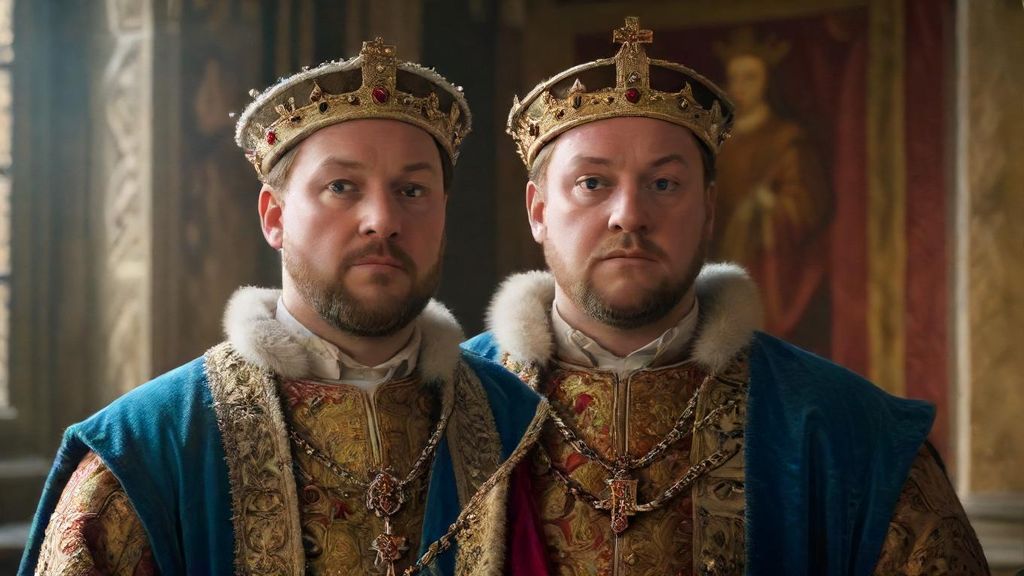
To sort out this mess, Henry turned to his most trusted advisor, Cardinal Thomas Wolsey. Wolsey, a brilliant and ambitious man, was given the job of getting an annulment from Pope Clement VII. An annulment was different from a divorce; it basically meant the marriage was never truly valid in the first place. This wasn’t unheard of, but it was incredibly difficult to get.
The Pope, however, was in a really tight spot. At this very moment, he was practically a prisoner of Emperor Charles V, who happened to be Catherine of Aragon’s nephew. Granting Henry an annulment would have been a huge insult to Charles, risking serious political and military trouble for the Pope. It was like asking a judge to rule against their own family member while that family member held the judge’s entire community hostage. The Pope simply couldn’t, or wouldn’t, risk it. So, Wolsey, despite his best efforts and much clever negotiation, failed. His downfall was quick and brutal; he was accused of treason and died before he could face trial.
Then came Thomas Cromwell, another shrewd advisor who became important after Wolsey’s fall. Cromwell offered Henry a truly bold plan: if the Pope wouldn’t grant the annulment, then England should simply stop recognizing the Pope’s authority altogether. We now understand this was a complete change in thinking, shifting from asking the Pope for permission to England taking charge of its own religious rules.
Here’s what we found out about the laws they passed. Instead of waiting for Rome, Parliament was used to create a series of laws that slowly but surely separated England from the Catholic Church. The most important was the Act in Restraint of Appeals, passed in 1533. This groundbreaking law declared England an independent kingdom, with the King as its supreme head. It also meant no one could appeal to any foreign court — meaning the Pope’s court in Rome. This essentially cut off the Pope’s legal power in England, making the King the ultimate legal authority.
Then, in 1534, came the famous Act of Supremacy. This wasn’t just a small legal detail; it formally declared Henry VIII as the “Supreme Head of the Church of England.” Think about how radical this was: a king, not the Pope, now controlled the spiritual affairs of his nation. It challenged centuries of religious tradition and political alliances, completely changing who England was. This wasn’t just about getting a new wife; it was about national independence and ultimate power for the monarch.
The truth is more interesting than you might think. This single, personal obsession for a male heir didn’t just change Henry’s marriage; it launched England into a new era, establishing a distinctly English church and setting the stage for huge religious and political upheaval. The consequences of this daring move would affect people for hundreds of years to come, deeply impacting everything from daily worship to national identity.
Next, we’ll see how Henry’s newly established Church of England began to change the lives of ordinary people and how the religious landscape of the nation was completely transformed.
How Did Henry VIII’s Quest for a Son Permanently Reshape English Society?
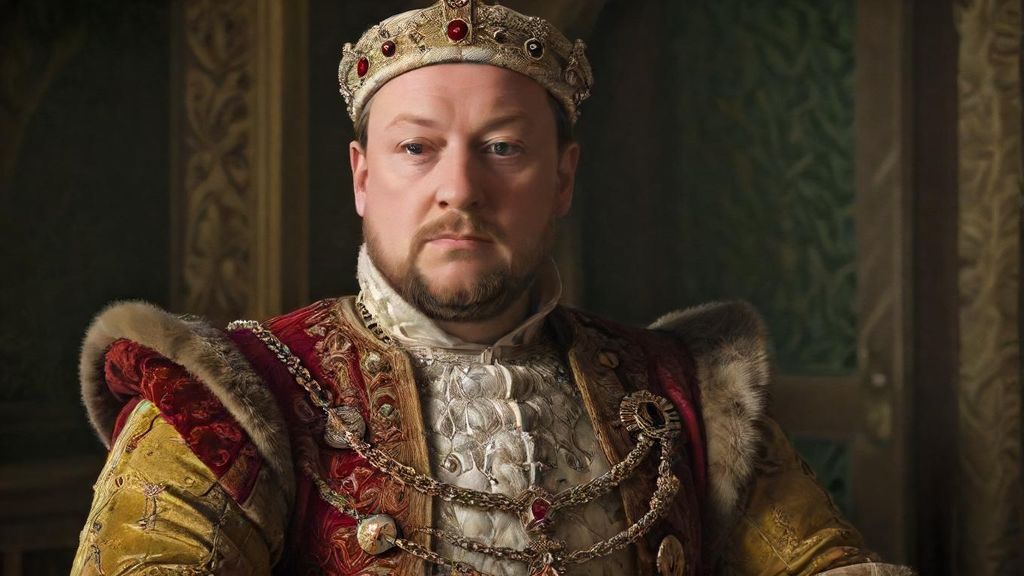
Imagine this: almost overnight, your country’s biggest landowners, wealthiest institutions, and main sources of charity all vanished. Poof! That’s pretty much what happened in England, all because of King Henry VIII’s intense desire for a son to take his place. His personal search didn’t just change who sat on the throne; it completely turned England’s religious life upside down, gave away massive amounts of wealth, and forever changed how the nation was run. The simple answer is, he rebuilt England from the ground up, laying the foundations for the modern country we recognize today. And it all happened because he couldn’t get the son he desperately wanted.
So, how did he do it? The answer lies in a series of shocking moves that dismantled traditions that had stood for centuries. Henry was incredibly frustrated by the Pope’s refusal to annul his marriage to Catherine of Aragon. Because of this, he decided to completely cut ties with the Roman Catholic Church. In 1534, Parliament passed the Act of Supremacy. This law declared Henry, not the Pope, the Supreme Head of the Church of England. This was more than just a new boss; it was a complete change in how people thought about religion, effectively creating a brand new national church. Think of it like a huge company deciding to split from its global parent corporation and run entirely on its own rules. The CEO suddenly becomes the ultimate authority on everything.
This massive shift had immediate and very real consequences. The most visible, and perhaps most brutal, was the Dissolution of the Monasteries between 1536 and 1541. These religious houses—abbeys, priories, nunneries—had been crucial parts of English society for hundreds of years. They owned vast amounts of land and wealth, and they provided healthcare, education, and support for the poor. Henry’s chief minister, Thomas Cromwell, was in charge of systematically closing them down. All their property, riches, and lands were seized by the Crown. It’s like the government suddenly taking over every major university, hospital, and charity in the country, and then selling off their assets to the highest bidder.
How Do We Know This Actually Happened?
The evidence shows this wasn’t just a political trick; it was a huge economic and social revolution. We know this because historical records tell us about the immense wealth Henry acquired. Historians say the Crown’s income practically doubled overnight. This newly acquired land wasn’t kept by the king for long. Much of it was sold off to fund wars and to solidify support for his new church. This created a whole new class of wealthy landowners—the gentry—who owed their fortunes to Henry’s actions. These individuals became powerful local figures, loyal to the king and his new church. This effectively reshaped the social structure of England for generations. Their rise meant a significant shift in who held power and influence across the country.
What makes this fascinating is its long-term impact on England’s identity. The shift away from Catholicism wasn’t immediate or entirely smooth. There were periods of religious chaos for decades to come. However, the seeds of Protestantism were firmly planted. England began to forge its own distinct religious and cultural path, separate from continental Europe.
Furthermore, Henry’s need to make his actions legal fundamentally strengthened Parliament. He couldn’t just declare himself head of the church. He needed Parliament to pass the laws (like the Act of Supremacy and the acts dissolving the monasteries) that made it legal. This gave Parliament unprecedented power and involvement in major national changes. By involving Parliament in these huge decisions, Henry accidentally made it much stronger. He set a new standard that future kings and queens couldn’t easily ignore. Parliament became a key player in running the country, not just a group that rubber-stamped royal orders. It’s like a corporate CEO needing the board’s constant approval for every massive, controversial restructuring, thereby giving the board much more influence in the long run.
The lasting consequences stretched for centuries. The redistribution of land and wealth completely changed the English landscape and economy. The new Church of England, with the monarch as its head, became a cornerstone of English identity, distinguishing it from Catholic Europe. Parliament’s enhanced role laid the groundwork for its eventual supremacy, shaping the very nature of England’s governance for centuries to come.
This king’s desperate search for a son didn’t just change his family; it completely rewrote England’s destiny, making it a different kind of nation. But these radical changes brought their own set of challenges, leading to new conflicts and opportunities. Next, we’ll see how Henry’s daughters, particularly one remarkable queen, navigated this transformed landscape and further solidified England’s new identity.