
Picture this: you’re trying to trick a rival company into thinking your big product launch is happening on one date, but you’re actually planning it for another. You wouldn’t hire a bunch of engineers for that job, right? You’d bring in marketing pros, graphic designers, maybe even some actors. Well, during World War II, the US Army faced a challenge just like that, but far more serious. The main reason they recruited artists, actors, and other creative people for a super-secret unit was simple: to brilliantly fool Hitler’s forces about where Allied troops were and how strong they were. They needed masters of illusion, not just regular soldiers.
The answer lies in the tough realities of wartime strategy. By the middle of World War II, the Allied forces desperately needed a new kind of weapon – not a gun or a tank, but something to confuse and misdirect the very clever German intelligence. Think of it like a high-stakes poker game: you need to bluff your opponent, making them believe you hold a much stronger hand than you do, or that you’re about to play a card you’re not. This wasn’t about fighting head-on; it was about psychological warfare, creating a convincing mirage on the battlefield.
It became clear they needed a special unit just for trickery. Commanders realized that if they could make the enemy believe a large division was in one place, while the real troops were secretly moving elsewhere, they could gain a massive advantage. This meant creating fake army groups that looked, sounded, and even ‘felt’ real to German spy planes and agents. It turns out that to build a believable fake army, you don’t need drill sergeants; you need creative thinkers.
What Unique Skills Did Artists Bring to the Battlefield?
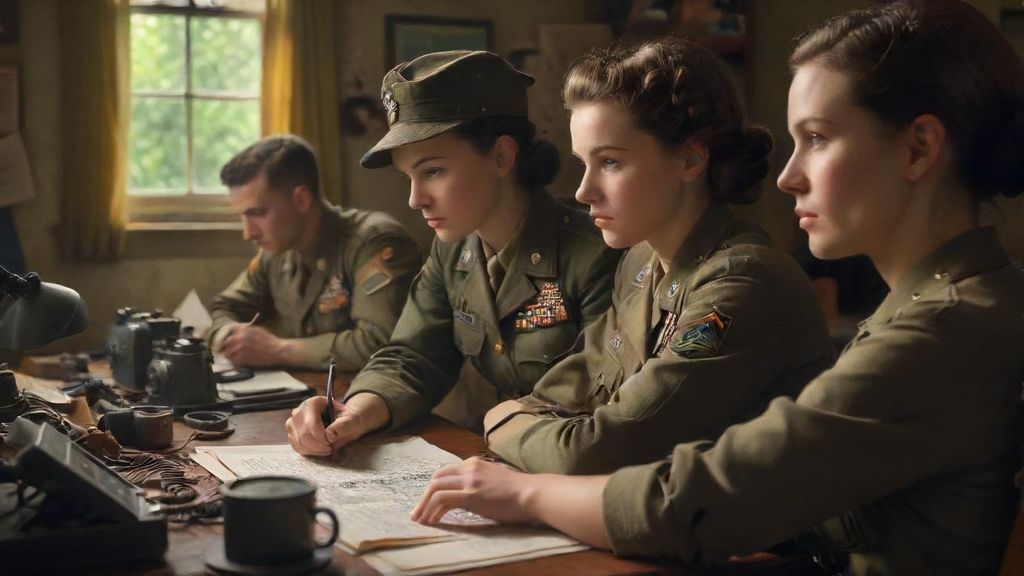
So, what kind of people did the Army seek out for this mind-bending mission? Not your typical soldiers, that’s for sure. The way they recruited them was incredibly unusual. Instead of looking for sharp shooters or strong bodies, military intelligence searched for individuals with special skills in illusion and communication. We know this because recent discoveries show recruitment posters and internal memos specifically asking for creative professionals. Imagine: the Army wasn’t just asking for G.I. Joes; they were asking for people like Picasso and Disney animators!
They pulled talent from art schools, advertising agencies, and even Broadway stages. The ranks of the newly formed 23rd Headquarters Special Troops – soon to be famously known as the ‘Ghost Army’ – swelled with graphic designers, architects, sound engineers, actors, fashion designers, and painters. What’s truly amazing is understanding what unique skills these individuals brought to military operations. Architects, for instance, could design inflatable tanks and jeeps to look perfectly scaled and real from the air. Graphic designers could paint unit symbols onto these fake vehicles, making them seem like legitimate divisions. Fashion designers helped create convincing uniforms for the few soldiers needed to “man” these fake positions.
Sound engineers were equally important. They recorded the authentic sounds of tanks, trucks, and troop movements, then played these loud recordings through massive speaker systems, sometimes miles long, to make it seem like a real army was there. Historians and old secret papers tell us these sounds could be heard from up to 15 miles away, totally fooling German patrols. One of the unit’s members, Tony Palladino, who would later design the iconic “Psycho” movie poster, was among those who used his artistic talent to craft deceptive visuals. His story, and others like it, really challenge how most people think about military secrets and clever wartime tricks.
The initial training established the unit’s main goal: “to impersonate by visual, sonic, and radio deception, every type of U.S. Army unit.” They learned to blend their artistic talents with military strategy, understanding that their brushes, projectors, and sound equipment were just as vital as rifles in this particular kind of war. It was a complete change in thinking for the military, recognizing that art could be a powerful weapon. This mix of creative talent and military strategy formed an extraordinary outfit, ready to paint, sculpt, and broadcast their way to victory.
This surprising approach laid the groundwork for a unit that would play a crucial, yet hidden, role in major Allied campaigns. The incredible story of how these artists traded their studios for secret missions truly begins with this unconventional recruitment. Next, we’ll dive into their secret training camps and uncover the ingenious tools they created to pull off their masterful deceptions.
How Did the Ghost Army’s Artistic Illusions Successfully Deceive German Forces?
Picture this: you need to trick a powerful enemy into believing an entire army — thousands of soldiers, tanks, and artillery — is right there, when really, it’s just a handful of artists with inflatable toys and clever sound effects. It sounds like something out of a movie or a huge prank. But that’s exactly what the US Army’s ‘Ghost Army’ did across France, Belgium, Luxembourg, and Germany. They pulled off this amazing feat using four main types of tricks, making history feel more like an exciting spy novel than a dusty old textbook.
Here’s the real story, and it’s even wilder than you might imagine: these artists weren’t just painting; they were creating whole fake armies. Their secret recipe for success involved clever visual tricks, realistic sound effects, made-up radio chatter, and even some impressive acting. Let’s look at how each of these parts helped trick the German forces into believing in armies that weren’t really there.
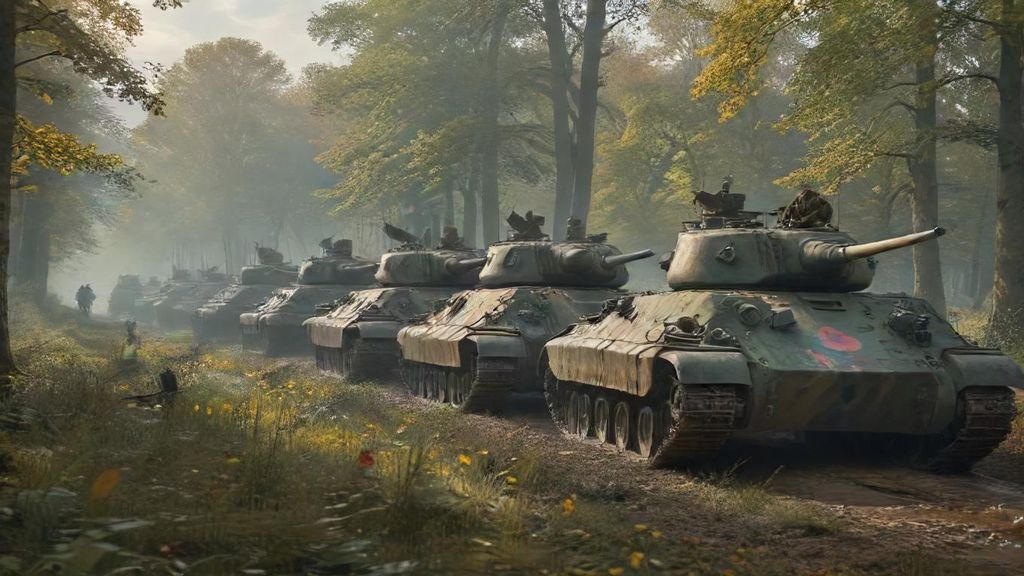
First up was visual deception. Imagine this: tanks, trucks, and artillery made out of rubber that looked totally real from far away or from a plane. These weren’t flimsy toys; they were detailed, inflatable models that could be blown up in minutes. An empty field would suddenly look like a busy army camp. Just a few guys could set up a whole tank company. Take Operation Viersen near the Rhine River in March 1945: they made it look like two entire divisions—the 30th and 79th Infantry Divisions—were about to cross the river. German spy planes saw these “units” and reported them as real, falling completely for the visual trick. This forced the enemy to waste their own troops and wait for an attack that was never coming from that spot.
Next, sonic deception played a huge part. Think of it like a giant mobile sound system. The Ghost Army used huge trucks with powerful loudspeakers. They’d broadcast recordings of everything: soldiers yelling orders, engines roaring, tank treads clanking, and artillery rumbling. These sounds, recorded at real army bases, were played back at just the right times and places, often at night. This made it sound like thousands of troops were on the move. Imagine how that messed with enemy minds: German patrols would hear what sounded like an enormous force close by, making them believe a big division was really there, even if they couldn’t see it. Historians say these sound tricks were unbelievably realistic, even up close.
Then came the often-forgotten, but super important, part: radio deception. Simply put, operators would copy the unique Morse code “fists” of real radio operators from the units they were pretending to be. A “fist” is basically a person’s signature tapping style. This wasn’t just random noise; it was fake radio chatter, perfectly made to sound like real messages, using the exact frequencies and communication habits of actual large army units. It’s like someone perfectly mimicking your voice on the phone. German intelligence, always listening to Allied radio, would hear these made-up conversations. They’d conclude that the “divisions” they were hearing about were real and talking to each other, making the visual and sound tricks even more believable.
Finally, and probably the most creative part, was theatrical deception. This is where the artists really became actors. Ghost Army soldiers would pretend to be high-ranking officers, sometimes even wearing fake army patches. They’d hang out in local towns and villages. They’d chat with people, spread carefully planned rumors in bars and cafes, and generally make sure everyone thought they were really there. They might purposely act a bit too loud or ask specific questions about local roads, hinting that huge numbers of troops were moving through. It was like a real-life improv show, but with extremely serious consequences. This mix of visual, sound, radio, and acting tricks created a powerful, convincing, and ultimately very costly trick for the enemy.
How Do We Know These Tricks Worked?
Recent proof shows just how well these clever tricks worked. For example, during a vital operation right before the Battle of the Bulge, the Ghost Army faked the presence of the 9th U.S. Army north of Luxembourg. This kept German troops stuck in the wrong place, far from where the real attack was coming. How do we know? Because captured German intelligence reports and analyses after the war clearly talked about tracking these fake units the Ghost Army had made. German commanders often messed up big time, moving their real soldiers and gear based on these elaborate hoaxes.
“The psychological impact of knowing you’re being fooled, but not knowing how, must have been devastating,” notes historian Rick Beyer, co-author of The Ghost Army of World War II.
These creative tricks directly caused the enemy to make expensive mistakes, moving their real army units to defend against threats that weren’t even there. It turns out a few hundred artists with inflatable tanks could be just as powerful as thousands of actual soldiers.
This bold mix of art and military smarts was a secret weapon. It saved countless lives and helped change the direction of the war. But how did these artists, designers, and performers get picked for such a unique job? Next, we’ll dive into the amazing story of how this secret army started and the brilliant people who came up with and led this incredible trickery.
What Was the Ghost Army’s True Impact, and Why Was Its Story Kept Secret for Decades?
Picture a secret military unit so clever, so one-of-a-kind, that its story stayed hidden for over 50 years after the war. That’s the Ghost Army. Their impact was truly enormous, far bigger than you might imagine, and it reached beyond the battlefield. These artists saved countless lives and brilliantly tricked the enemy. We’ll dive into how they pulled off these amazing deceptions and uncover why their incredible story remained a secret for decades, keeping its members sworn to silence.
The Ghost Army’s success was more than just impressive; it changed everything. Historians now believe the unit, officially called the 23rd Headquarters Special Troops, saved an incredible 15,000 to 20,000 Allied lives during their work in France. Imagine a clever city planner rerouting traffic around a busy spot. That’s what these soldiers did, but instead of cars, they redirected German tanks and troops away from actual Allied forces. They pulled off over 20 major battlefield deceptions, often working just hundreds of yards from enemy positions.
A great example of their work was Operation Viersen, just before the Rhine River crossing in March 1945. Imagine this: the Germans were certain a massive American army was assembling near Düsseldorf, ready to attack. But it was all a trick! They used inflatable tanks, fake radio calls, and huge speakers blasting sounds of troops and trucks. While the Germans watched this fake army, the real Ninth Army crossed the Rhine further south, facing much less opposition than expected. This clever trick let Allied soldiers cross an important river into Germany with far fewer losses.
Why Did This Secret Stay Hidden for So Long?
The reason for the secrecy comes down to how they worked. The Ghost Army’s story stayed classified for more than 50 years after World War II mainly because their methods were just so good. Their special bag of tricks—inflatable tanks, pretend artillery, fake radio messages, and sound effects—was still considered incredibly useful for any future wars, especially as the Cold War was starting. The Allies wanted to keep these secrets from the Soviets and anyone else. It’s like a sports team keeping their best game-winning plays a secret; you don’t want your rivals to learn your strategies.
Every soldier in the unit promised to keep quiet, told not to talk about what they did during the war, not even to their own families. Imagine knowing you helped save thousands of lives, but couldn’t share that with anyone. It must have been incredibly hard to carry such an amazing secret. This level of secrecy really shows how powerful and one-of-a-kind their “human-made illusions” were thought to be.
What makes this story even more amazing is who some of these silent heroes became after the war. Many of these talented artists, designers, and engineers returned home and had very successful careers, adding a lot to American culture. For instance, the well-known fashion designer Bill Blass, famous for his elegant women’s clothes, was a member of the Ghost Army. So was the abstract artist Ellsworth Kelly, whose groundbreaking art helped define modern art. These individuals went from painting fake tanks and uniform patches to creating iconic fashion and revolutionary artwork. Their secret wartime experiences likely gave them a unique foundation for their incredible talent.
The Ghost Army’s hidden story finally started to come out in 1996 when their mission was officially declassified. Once the government released the documents, a flood of information followed. This led to a wave of recognition that slowly brought their amazing service to public attention. Documentaries, like the highly praised 2013 PBS film The Ghost Army, many books, and museum exhibits began to share their story with everyone. It’s like discovering a hidden treasure chest of history, full of daring creativity and quiet bravery, reminding us that even things like their ‘human-made illusions,’ which didn’t last long, could leave a massive impact.
In the end, the Ghost Army’s story powerfully reminds us that war isn’t just about raw strength. It’s also a high-stakes game of smarts, creativity, and trickery. Their impact was huge, their secrecy made sense, and their eventual recognition was absolutely deserved. It really makes you wonder what other amazing, still-secret stories might be out there, just waiting for their time to be told.