
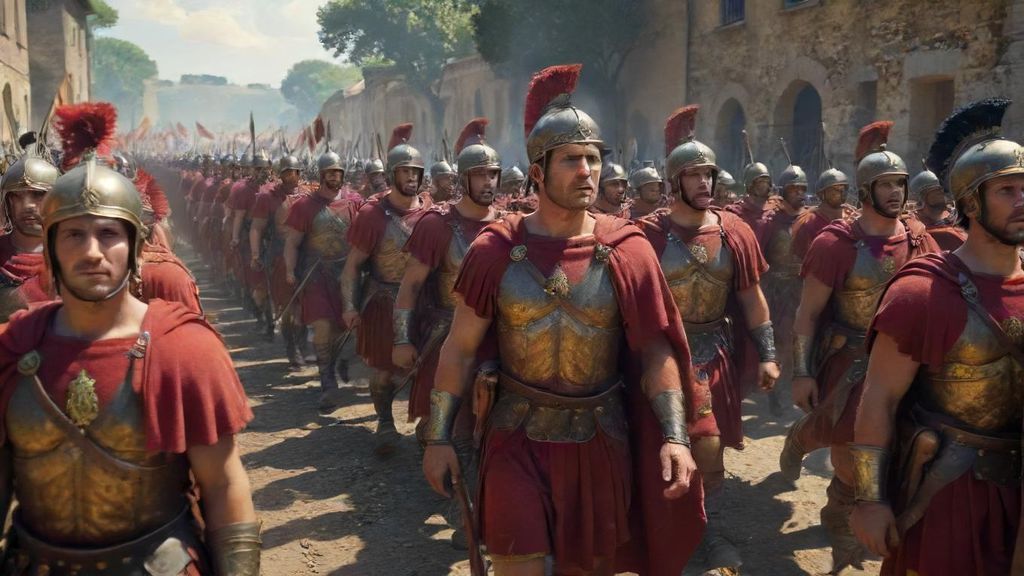
Imagine trying to feed thousands of people, like a whole city, not while they’re settled in one spot, but while they’re constantly on the move, marching across continents, sometimes through scorching deserts or over towering mountains. That’s the enormous challenge the ancient Roman army faced every single day. The straightforward answer to what kept these incredibly disciplined soldiers going lies in something called the annona militaris. This was their basic daily food allowance provided by the state. And honestly, it wasn’t fancy, but it was super effective: mostly grain, along with wine, olive oil, and a sprinkle of salt.
The absolute main food for a Roman soldier, the king of calories, was grain. Most of the time, this meant wheat. Picture it like an endless bowl of pasta, but in a much more basic form. Soldiers could grind wheat into flour to make bread or biscuits, or simply boil it into a kind of thick porridge. Sometimes, if wheat was hard to find or in certain areas, soldiers made do with barley. This was seen as less desirable but still very filling. The state made sure each soldier got a set amount, often about two to three pounds of grain every day. That sounds like a lot because it was! This gave them all the energy they needed for tough marches, digging huge fortifications, and, of course, fighting battles.
Beyond the grain, the Roman army provided other essential foods. Every soldier also received a daily share of wine. Now, this wasn’t for getting drunk; it was usually mixed with water. This made it a much safer and better-tasting drink than questionable local water sources, which could easily spread diseases. They also got olive oil, a vital source of fat and calories. Soldiers used it for cooking or simply drizzled it over their food. And naturally, salt was absolutely necessary, not just to flavor bland rations but also to preserve food and replace important salts lost during intense physical work. What’s truly amazing is how simple yet powerful this core diet was for keeping such a strong fighting force alive and thriving.
How Did They Manage This Incredible Feat?
The real marvel wasn’t just what they ate, but how these vast amounts of food actually reached them. Supplying legions, which could include over 5,000 men each, was a monumental task. Think about today’s complicated international supply chains; the Romans had an equally complex system, but without trucks or modern communication. The Roman state built huge structures like dedicated granaries, or grain storage buildings, all along their marching routes and at their permanent camps. They set up massive transport networks, using river barges, coastal ships, and thousands of pack animals like mules to move all the supplies.
According to ancient writers like Julius Caesar, whose military campaigns heavily relied on good logistics, getting food for his troops was as important as any battle strategy. He often wrote about the immense effort it took to secure food for his legions, sometimes even having to change his army’s route just to harvest fields. Later, the military writer Vegetius emphasized how crucial a well-organized supply train was, calling it one of the key pillars of military success. Archaeological finds back this up. Recent discoveries show the remains of large granaries and supply depots at Roman forts across Europe and North Africa, providing strong proof of their extensive network.
However, the system was rarely perfect. While the ideal was steady provision, the harsh realities of ancient warfare meant supply lines were often cut off. Bad weather could make roads impassable or sink supply ships. Enemy attacks could ambush convoys, leaving soldiers starving. Sometimes, simple administrative mistakes meant rations didn’t arrive on time. It’s like when a big hurricane hits, and suddenly store shelves are empty – imagine that happening regularly, thousands of years ago, with an entire army depending on it. Soldiers quickly learned that having ideal provisions was a luxury, and they often had to find ways to adapt.
The sheer size and organization needed to keep a Roman army fed across vast, often dangerous lands is truly astonishing. It shows a level of planning that was incredibly advanced for its time. This constant fight against hunger, making sure the annona militaris always arrived, was arguably as important as any battle fought with swords and shields. Next, we’ll explore what happened when these core supplies ran out, and how Roman soldiers found clever ways to survive.
How Did Roman Soldiers Supplement Their Official Rations?
Imagine you’re on a long road trip today, surviving only on those basic, kind of boring snacks from a convenience store. You’d quickly start craving something fresh, something more, right? Roman soldiers on the march felt exactly the same way, maybe even more intensely. While the Roman state gave them essential grain, their actual diet was much richer and more varied than just plain gruel. They actively looked for and got all sorts of extra foods, turning their daily meals from just bare necessities into something far more appealing and healthy. Their secret lay in being clever, taking advantage of their surroundings, and the busy marketplace that always followed their armies.
Soldiers branched out for simple reasons: better nutrition and higher spirits. A diet of just grain, even with some added fat or salt, wasn’t enough to power men through grueling marches and fierce battles. Plus, a little variety made the tough life of a soldier much more bearable. So, how did they get these extra goodies? It turns out, they had several smart tricks.
One big way was through organized foraging, especially in lands they were conquering. This wasn’t just individual soldiers sneaking off; it was often a planned military operation. Think of it like a massive, organized scavenger hunt. Troops would sweep through local areas, gathering whatever they could find – farm animals, vegetables, fruits, and even wine. While this could sometimes look a lot like looting, commanders like Julius Caesar often wrote about their armies “living off the land,” particularly during campaigns in Gaul. This helped feed the men and also stopped the enemy from getting those resources.
Beyond official foraging, soldiers also hunted and fished when they had the chance. Depending on the area, a quick snare could catch a rabbit, a spear might bag a wild boar, or a net could pull fish from a river. This wasn’t a guaranteed meal every time, but it added crucial protein and variety when available. Picture a small group of soldiers setting up camp near a forest; it’s natural they’d try to hunt for some game.
How Do We Actually Know This Happened?
Here’s what archaeologists have found: the ground itself tells a big story. When archaeologists dig up old Roman fort sites or temporary camps, they don’t just find grain. They find a surprising mix of animal bones – not just cattle, sheep, and pigs, which the army might have provided, but also wild deer, boar, fish, and even birds. We’ve also found seeds from various wild plants and fruits that wouldn’t have been part of the army’s standard supplies. For instance, digs at camps along Hadrian’s Wall in Britain show evidence that soldiers were eating local wild berries and game.
Another key part of their diet was buying food locally. When they weren’t in enemy territory, soldiers often bought food from local markets or directly from farmers. This happened a lot when armies were in winter camps or moving through friendly areas. They had their pay, even if it wasn’t much, and could spend it on eggs, cheese, fresh bread, and seasonal produce. It was like going to a modern farmers’ market, but for soldiers looking for a break from their standard military meals.
The truth about civilian traders is more interesting than you might think. Perhaps the most fascinating way soldiers got extra food was thanks to the essential role of the mercatores, or camp followers. These weren’t just random people; they were a vital part of the army’s world, acting like mobile convenience stores. These clever merchants would follow the legions, selling everything from fresh meat, cheese, and vegetables to wine, oil, and even clothes. They basically created a busy, temporary supply chain that ran alongside the army’s official logistics. The historian Vegetius, writing in the late 4th century CE, pointed out how important these traders were, recognizing their role in helping the army get what it needed beyond basic rations.
What makes this so interesting is how much local availability changed what soldiers ate. A legion fighting in Egypt would have access to different foods—dates, fish from the Nile, specific local grains—than one fighting in Germania, where foraging might yield root vegetables, wild game, and different fruits. This meant the Roman military diet, while always based on grain, was a flexible, adaptable thing, constantly changing with the location and circumstances. This led to a more varied, though sometimes less predictable, eating experience. Think of it like how a fast-food chain changes its menu to fit local tastes and ingredients in different countries.
Ultimately, these extra food sources were crucial for keeping Roman soldiers fed, healthy, and ready for battle. They filled nutritional gaps, boosted morale, and offered a taste of home or the excitement of local treats. This complex mix of foraging, buying, and trading paints a picture of a military diet much richer than we often imagine. This constant search for extra provisions also deeply affected the communities Roman armies traveled through, leaving a lasting mark that we’ll explore further when we look at the daily life in their camps.
How Did Roman Soldiers Actually Prepare and Cook Their Meals on the March?

Imagine going on a long hike, not for a few hours, but for weeks or months, and having to cook every single meal from scratch, often right there on the trail. That’s pretty much what a Roman soldier faced every day on the march. The simple answer to how they managed this tough task comes down to a clever mix of individual effort, smart tools, and strong teamwork within their small tent groups, known as contubernia.
It turns out that feeding a whole army on the move wasn’t about a central catering service. Instead, cooking was a deeply ingrained, practical skill that every single soldier learned. Each group of eight men, a contubernium, was basically its own mini-kitchen. What they carried, revealed by archaeological finds, paints a clear picture of their mobile cooking setups.
What Did Their Mobile Kitchens Look Like?
One of the most important pieces of equipment, often carried by at least one man in each contubernium, was the molae manuales – a hand mill. Think of it like a heavy, portable stone grinder. This wasn’t optional; it was absolutely essential for turning whole grains, mainly wheat, into flour. Without it, there was no bread, no porridge, and certainly no hot meal to look forward to.
Besides these grinders, they carried simple but strong cooking gear. This included bronze or ceramic pots called ollas for boiling stews and porridges, and shallow pans for frying or baking. What’s really fascinating is how clever their ovens were. Recent discoveries show that Roman soldiers would quickly build temporary ovens on the spot. They’d use clay, stones, or even their own shields covered in mud, heating them with a fire inside. This ingenious method allowed them to bake fresh bread daily, which was a huge boost to their morale.
The go-to meal for a Roman soldier was puls, a versatile porridge or gruel. Made from ground grain, it was easy to cook and incredibly filling. Depending on what they could get, they’d make it tastier with fat, cheese, or even vegetables they found or bought along the way. While puls kept them going, the ultimate comfort food was panis militaris, their military bread. Baking it fresh was a lot of work – grinding, kneading, and firing – but the reward was a hearty loaf that gave them the crucial energy needed for their demanding marches.
When it came to adding flavor, Roman soldiers were incredibly good at making do. If they were lucky enough to get any meat – perhaps from foraging, hunting, or buying livestock – they would chop it up and add it to a stew with whatever vegetables they could find. This often meant wild greens, onions, or anything they could gather from the local area. The main goal was to make every ingredient count, stretching their food supplies as far as possible.
Staying hydrated was just as important as eating. Water was often unsafe to drink, so two beverages were constant companions. One was diluted wine, which not only offered a small energy boost but also helped purify the water, making it safer to drink. The other, and arguably more crucial, was posca – a refreshing mix of water and vinegar. Imagine it like a Roman-era sports drink; it was cheap, tart, and surprisingly good at quenching thirst and replacing lost electrolytes during tough marches. Historical accounts tell us it was a daily must-have, a simple yet vital part of their diet.
The shared experience of meals within the contubernia was extremely important. Eating together wasn’t just practical; it built strong bonds and made the unit even closer. After a day of marching, setting up camp, and performing their duties, these men would gather around their small fire, preparing their evening meal. This shared ritual helped them deal with the constant challenge of finding food in often difficult conditions, from bad weather to scarce resources. It’s a lot like camping with friends when everyone pitches in to cook – but for Roman soldiers, their lives truly depended on it.
This self-sufficiency meant that even in the most remote or dangerous places, Roman soldiers could maintain a basic, nourishing diet. Their ability to turn raw ingredients into cooked meals on the go was a key reason for their military success, showing an incredible level of discipline and practical skill. It truly reveals the hidden stories of resilience and the daily grind behind the grand tales of Roman conquests.
Understanding how these soldiers fed themselves offers an important look into their everyday lives, far from the glory of battle. This deep dive into their cooking habits naturally makes us wonder how such a massive operation kept going day after day, year after year. Next, we’ll explore the monumental task of supplying these marching armies, a challenge that shaped the very roads and infrastructure of the Roman Empire.