
Imagine you’re starting a huge project today – something with incredibly high stakes, like building a groundbreaking new piece of technology or winning a major championship. Would you go in with a single, laser-focused plan, drawing on years of specific experience? Or would you try to do a bit of everything, mixing in some scientific research and maybe even a few untested methods? When it came to the race for the South Pole, Roald Amundsen treated his expedition like that laser-focused project, and that was the main reason he got there first. It turns out that Amundsen’s victory wasn’t just luck; it was the direct result of a brilliantly simple, yet incredibly smart, way he thought about getting ready that made him stand out from Robert Falcon Scott right from the start.
The secret to Amundsen’s success lies in his approach: he was an explorer first, last, and always. His only goal was to reach the South Pole and return safely. This might seem obvious, but it’s a crucial difference. Amundsen wasn’t interested in collecting rocks, drawing maps of places no one had seen, or setting up weather stations on his way to the Pole. His entire strategy, developed over years in the harsh Arctic, focused on being efficient, fast, and staying alive in the coldest conditions on Earth.
Roald Amundsen, you see, was already a master of polar travel. He’d navigated the Northwest Passage – something no one else had ever done – and spent years living with Inuit communities. From them, he learned invaluable techniques for surviving the cold. Here’s what we discovered from his records: he became an expert at dog sledding, a skill that was really important for him to win the race to the South Pole. He understood dogs weren’t just transport; they were partners, a key part of surviving in the polar world, even to the point of being a potential food source for his men and other dogs if necessary. His entire expedition was a practical, carefully planned machine designed for one purpose.
In simple terms, Amundsen’s planning was like a perfectly optimized supply chain. His equipment, for instance, was chosen for being light and strong. His sleds were specifically designed for speed over snow, and his clothing was based on traditional Inuit fur designs, which were far better than the heavy woolens many European explorers favored. He also carefully planned where to store food, hiding stashes of pemmican (a high-energy mix of dried meat, fat, and berries) along his route. This ensured his team and dogs had enough food without having to carry everything at once, allowing for faster travel and less strain.
Why Did Amundsen’s Experience with Dogs Make Such a Difference?
What makes this fascinating is how Amundsen’s deep understanding of dog sledding was very different from Scott’s confusing mix of travel plans. Scott, while a brave and determined leader, approached the expedition with bigger goals, almost like he was doing a science project. He wanted to combine the race to the Pole with extensive scientific research, geographical exploration, and a bit of showing off British power. This meant his expedition had to carry a lot more gear, instruments, and people, which naturally slowed them down.
Think about how different their choices were right from the start. Scott relied on a combination of motorized sledges, Siberian ponies, and traditional man-hauling (people pulling sleds themselves). The motor sledges were heavy and unreliable, often breaking down in the extreme cold. The ponies struggled terribly in the deep snow, needing tons of food that they had to drag along, and eventually had to be shot. Man-hauling, while it showed how tough humans could be, was incredibly slow and utterly exhausting. It’s like trying to win a Formula 1 race with a collection of different vehicles, some of which are experimental prototypes, and others are simply not built for the terrain.
Amundsen, on the other hand, committed almost entirely to skis and dogs. He saw them as the most efficient, proven, and reliable way to travel in the polar regions. His team trained relentlessly with their dogs, understanding their needs and capabilities. According to historians, this foundational choice wasn’t just about transport; it reflected an entire way of thinking: Amundsen really learned from the practical survival skills of native people, while Scott, you could say, stuck more to the traditional, ‘gentlemanly’ British way of exploring, which included bringing along more scientific ‘baggage.’
The truth is more interesting than you might think: Amundsen didn’t just ‘beat’ Scott; he prepared much better than him in a really important, strategic way long before either man ever set foot on the ice. His single-minded goal, his practical experience, and his willingness to adopt the most effective, albeit sometimes tough, methods for polar survival gave him a clear advantage. He knew the environment, respected its demands, and planned accordingly. This ‘explorer-first’ approach ensured every decision, from clothing to canine training, was geared toward one clear goal.
This big difference in how they first thought about strategy, coming from their very different ideas about exploring, set the stage for everything that happened next. Amundsen’s expedition was a focused, efficient machine built to reach the South Pole. Scott’s was a more complicated project with many goals. Next, we’ll dive into the actual journey itself, and how these early preparations actually worked out when they faced the huge challenges of the Antarctic wilderness.
How Did Amundsen’s Team Execute Their South Pole Journey More Efficiently Than Scott’s?
Imagine setting out on the most challenging journey of your life, where every decision could mean the difference between triumph and disaster. This wasn’t just a race to the bottom of the world; it was a real-life test of two very different ideas about how to survive and conquer an unimaginable wilderness. The simple answer to how Roald Amundsen’s team executed their South Pole journey so much more efficiently than Robert Scott’s lies in their distinct approaches to travel and getting supplies. Amundsen didn’t just win; he showed an amazing grasp of polar travel that left Scott’s expedition struggling far behind.
The truth is more interesting than you might think. It reveals that Amundsen’s success wasn’t about luck, but about a careful, flexible, and totally practical plan. His team, for example, relied almost entirely on dog teams. Picture these dogs as the ultimate all-terrain vehicles of their time – powerful, tireless, and incredibly effective. They could pull heavy sledges at a steady, fast pace across the dangerous ice and snow, covering long distances day after day. What makes this fascinating is that Amundsen saw his dogs not just as transport, but as a vital and flexible tool. They were strong, needed less complex shelter than other animals, and importantly, could be used as a food source for the remaining dogs and men if needed on the way back, reducing the total weight they had to carry home.
What Made Amundsen’s Journey So Much Smoother?
Amundsen’s planning extended to his brilliant depot-laying strategy. Instead of just pushing forward, his team took time in the spring of 1911 to set up huge hidden stores of supplies – food, fuel, and equipment – at specific points along their route. These supply depots weren’t just random piles; they were precisely marked by flags sticking out of the snow, sometimes up to 20 flags in a line, stretching for miles off to the side of their path. This made them nearly impossible to miss, even in a blizzard. Think of it like a modern delivery company perfectly mapping out where it will drop off packages, but for the most extreme conditions you can imagine. This meant that when the main journey began, the sledges carried lighter loads, because they knew fresh supplies were waiting. It kept the team well-fed, energized, and moving fast, allowing them to focus purely on covering ground with steady, quick progress.
Scott’s expedition, tragically, faced many problems right from the start. Their ambitious plan involved a mix of transport methods that, historical records show, largely didn’t work. The motor sledges, which Scott hoped would change polar travel forever, broke down almost immediately. They proved unreliable in the extreme cold and deep snow. This left them with Siberian ponies, which struggled immensely. Unlike dogs, ponies sank deep into the snow, needed tons of food – which added significant weight to carry – and simply couldn’t handle the brutal Antarctic temperatures. Their short lifespan in the extreme cold meant they were only useful for a short time and quickly became a problem rather than a help.
Ultimately, Scott’s team was forced to resort to man-hauling supplies for much of their journey. Imagine trying to drag a small car across deep, uneven snow for hundreds of miles. This took incredible physical effort and was mentally exhausting, leading to tiredness, frostbite, and deep sadness. Amundsen’s leadership style was practical and flexible, making quick decisions based on immediate conditions. He cared most about his team’s health and how well they worked, changing his plans whenever he needed to. Scott, on the other hand, stuck strictly to his original plans, even when it was clear they weren’t working. This big difference in how they adapted and understood polar travel greatly affected how both teams felt, giving Amundsen’s men a clear advantage on the ice.
The evidence shows that Amundsen’s journey was a perfect example of efficient polar travel. His team’s daily mileage was consistently higher, their supplies were safer, and their spirits were generally high because they saw their methods working. This was completely different from Scott’s expedition, where they constantly dealt with broken gear, struggling animals, and the terrible work of pulling sledges themselves. This wasn’t just about speed; it was about a complete understanding of how to not just survive but do well in one of the world’s most unforgiving environments. Understanding these crucial differences in how they executed their journeys on the ice helps us see why one team returned victorious and the other met a tragic end. We’ll learn more about this as we look at how they got ready and what gear they used.
When we look back at the incredible race to reach the South Pole first, it’s clear Roald Amundsen didn’t just barely win. His triumph came from a perfectly executed plan, while Robert Scott’s journey was full of critical mistakes that sadly led to his and his team’s deaths. The simple truth separating them comes down to better preparation, smarter strategy, and a deep understanding of the deadly cold of the polar environment.
What Key Factors Ultimately Led to Amundsen’s Victory and Scott’s Tragic Failure?
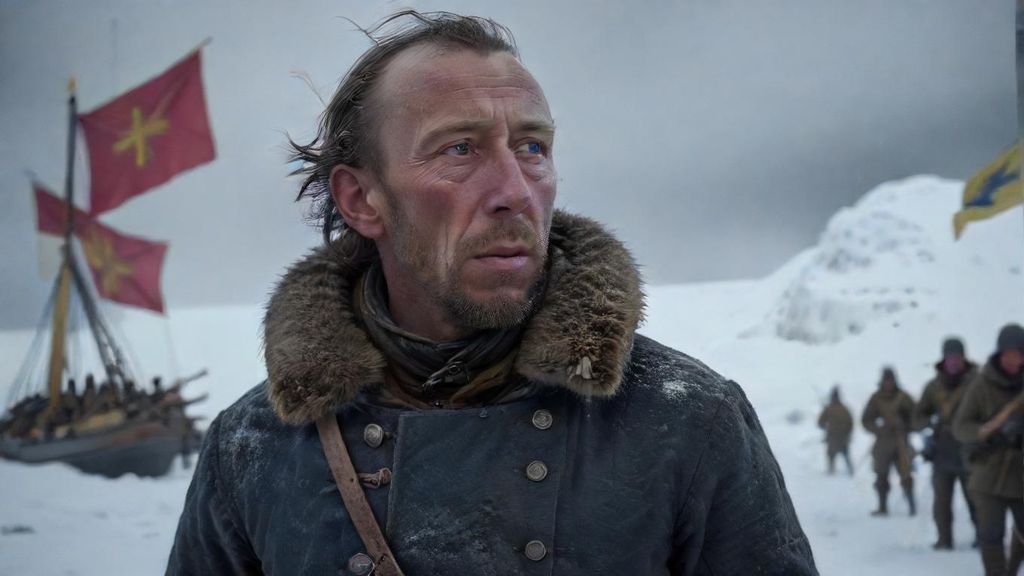
The main reason Amundsen succeeded and Scott perished lies in their basic approaches, much like two teams tackling a huge project with completely different plans. Amundsen’s success wasn’t by chance; it was the result of an intense focus, a way of traveling perfectly suited for the ice, incredibly smart supply management, and a profound, almost natural, understanding of how to survive in the frozen wilderness. He was, in essence, a professional problem-solver for Antarctica.
Right from the start, Amundsen had one single goal: the South Pole. He planned every detail with the intense focus of an Olympic athlete training for gold. His secret weapon? Dogs. Lots of them, trained carefully not just for pulling sleds, but also as a vital food source for themselves and the men on the way back. While this might sound harsh, it was a practical and sustainable system for survival. Amundsen and every member of his team were also expert skiers, which made moving over snow and ice incredibly efficient. He was essentially using a proven, high-performance vehicle with highly skilled drivers for the conditions.
His smart planning for supplies was also unmatched. Amundsen’s team set up huge supply depots—caches of food, fuel, and equipment—at regular spots along their route, clearly marked with flags stretching for miles in both directions. Imagine setting up strategically located gas stations and convenience stores along a remote highway before you even begin your road trip. This meant less weight to carry each day and guaranteed supplies for the return journey. As Amundsen himself wrote,
“Victory awaits him who has everything in order — luck, people call it.”This quote, found in his journals, perfectly sums up his approach.
Scott’s tragic failure, on the other hand, came from a mix of poor strategic choices, relying on untested technologies, and not having enough provisions, all made worse by terrible weather. Unlike Amundsen, Scott arrived in Antarctica with many goals, including scientific research, which often got in the way of his main objective to reach the Pole first. It was like trying to launch a space mission while also conducting farm experiments on the launchpad – noble, but distracting.
Scott gambled on a mixed transport strategy, using ponies, motor sledges, and man-hauling (men pulling sleds themselves). The motor sledges, a new but untested technology, broke down quickly in the extreme cold. The ponies, better suited for Arctic conditions, struggled in the deep Antarctic snow and had to be put down early, leaving the men to haul incredibly heavy sleds themselves. Imagine trying to drive a brand-new electric car through deep mud – it just wasn’t ready for the environment. This constant, back-breaking effort exhausted the men long before they even reached the Pole, draining them physically and mentally.
What makes this so interesting is the difference in their provisions. Scott’s party carried rations that simply didn’t have enough calories for the huge energy demands of pulling sleds in freezing temperatures. Recent studies, looking at old records and nutrition science, show they were essentially trying to run a marathon on a diet fit for a casual stroll. Their clothing, too, was less effective than Amundsen’s traditional furs, which he had learned about from the Inuit people.
How Did the Weather Impact Their Journeys?
While often blamed as the main reason for Scott’s death, the weather was more like a final, crushing blow than the only cause of his party’s destruction. On their return journey in February 1912, they ran into unusually severe blizzards and extreme cold, much worse than typical for that time of year. This unfortunate turn of events caught them already weak and without enough supplies, making survival impossible. Think of it like a business already struggling with poor planning and then getting hit by an unexpected global recession – the underlying problems were always there, but the external shock sealed its fate.
The lasting legacies of both men couldn’t be more different. Amundsen is celebrated as the perfect example of careful planning and practical exploration; his methods became the blueprint for future trips to the poles. Scott, though remembered for his immense courage and determination, serves as a sad reminder of how important rigorous preparation and adaptable plans are in hostile environments. His story became a heroic failure, but it also taught invaluable, though tragic, lessons about the cost of underestimating nature and overestimating human endurance without proper support.
Here’s what we discovered: the race for the South Pole wasn’t just about who got there first, but about how they got there and, crucially, how they planned to get back. The stark contrast between Amundsen’s meticulous, single-minded focus and Scott’s more complex, less proven approach offers timeless lessons in project management, leadership, and survival. As we move into the next chapter, we’ll explore how these profound lessons continue to shape our understanding of exploration and risk even today.